Petrol vs Diesel vs Hybrid for High-Mileage Drivers: A Real-World Comparison
If you cover 20,000 miles a year or more, the fuel question stops being academic. Differences that barely register for a 6,000-mile-a-year driver turn into real money over three or four years — in fuel, servicing, repairs and what the car is worth when you sell it. What matters is matching the fuel to your journeys, not picking whichever one looks best on a spec sheet.
Start With Your Journeys, Not the Fuel Type
Before you compare anything, answer three questions honestly.
- How much of your mileage is steady motorway or A-road running?
- How much is stop-start town traffic, and how many trips are under ten miles?
- How long will you keep the car, and do you tow or carry heavy loads?
A sales rep doing 30,000 miles of motorway a year and a district nurse doing 20,000 miles of short urban hops both count as high mileage, but they need completely different cars. Ten short cold-start journeys a week are hard on any engine and especially unkind to modern diesels. Long, warm runs at a steady speed flatter a diesel the way nothing else does.
Petrol: Simple, Cheap to Buy, Thirstier at Speed
Petrol remains the default for good reason. Purchase prices are typically the lowest of the three, servicing is straightforward, and there is no diesel particulate filter or AdBlue tank to think about. Small turbocharged petrol engines are impressively economical around town and at moderate speeds.
Push them hard on a motorway, though, and the advantage fades. A petrol car cruising at 70mph tends to use noticeably more fuel than a like-for-like diesel, and if you are filling up twice a week that gap compounds quickly. If your annual mileage sits in the 12,000–18,000 range and your driving is mixed, petrol is often the sensible, low-drama choice.
Where petrol quietly wins
Short trips, cold mornings, occasional long journeys, and anyone who wants the simplest possible ownership experience. Fewer emissions-control components means fewer expensive things to go wrong out of warranty.
Diesel: Brilliant at Distance, Awkward in Town
Diesel's strength is torque and efficiency at a cruise. It pulls cleanly from low revs, tows well, and on a long steady run it will usually return the best fuel economy of the three. For someone covering 25,000 miles of motorway a year, that is a genuine annual saving.
The DPF trap
Modern diesels use a particulate filter that needs to reach high temperatures to burn off soot. Stop-start town driving rarely gets it hot enough, and a clogged filter leads to warning lights, limp mode and eventually an expensive replacement. EGR valves suffer in the same conditions. If most of your journeys are short, a diesel is the wrong tool, no matter how good the motorway figures look.
Hybrid: The Quiet Compromise That Often Wins
Self-charging hybrids pair a petrol engine with a small battery and electric motor. In town they are excellent: the engine shuts off in traffic, the electric motor handles low-speed work, and regenerative braking recovers energy while saving your brake pads. On a steady motorway run the advantage shrinks, because the engine is doing most of the work, but hybrids still often match or beat a conventional petrol equivalent.
Plug-in hybrids are a different animal. Driven with a charged battery and a short daily commute, they can run on electricity for most of the week. Driven without ever being plugged in, they carry around a heavy battery and motor and can end up thirstier than a plain petrol car. If you cannot charge at home or at work, a plug-in rarely pays off.
Battery life and warranty
Hybrid batteries have proven durable in normal use, and most manufacturers offer long warranties on the battery pack itself. Check the exact terms for the model you are considering, and whether the cover transfers if you buy used.
Running Costs, Line by Line
Work through these in order and the arithmetic usually makes the decision for you.
- Fuel. Estimate annual cost using your real mileage and a realistic economy figure. Knock a little off the official number for motorway work, more for town.
- Servicing. Diesel intervals are often longer but each visit usually costs more. Hybrids are broadly similar to petrol, with less brake wear.
- Consumables. Tyres, brakes and fluids. Regenerative braking genuinely extends pad life on hybrids.
- Out-of-warranty repairs. Filters, EGR valves, turbos, dual-mass flywheels, hybrid batteries. Budget for the risk your chosen fuel type carries.
- Tax and insurance. Rates depend on the specific car and can change, so get quotes on the exact trim rather than assuming.
Maintenance, Wear and Resale
Buyers get nervous about high mileage, but they are far more nervous about missing paperwork. A car with 120,000 miles, a full specialist history and receipts for major work will always sell more easily than the same model with 90,000 miles and gaps in its service record.
Mileage bands matter too. Crossing a round number such as 100,000 miles can knock value off almost any car, so if you plan to sell, doing so slightly before the odometer turns is sometimes worth considering. High-mileage diesels with a documented motorway history hold up reasonably well, because buyers understand that steady long runs are gentler than a lifetime of short trips. Hybrids with a proven battery and complete history are increasingly sought after by drivers doing exactly what you are doing.
Driving Experience: What You Live With Every Day
Ignore this and you will resent the car within a year. Diesels feel relaxed and unstressed at speed, with strong mid-range pull for overtaking and towing. Petrols are quieter at idle, rev more sweetly, and many drivers simply prefer how they respond. Hybrids are the smoothest in traffic, silent at low speed and free of gear hunting, though the engine note under hard acceleration takes some getting used to.
How to Decide
Run the numbers, then drive all three on your actual commute.
- Pull your last 12 months of mileage and split it roughly into town and open-road miles.
- Cost the fuel for each option using realistic economy figures, not brochure ones.
- Get insurance quotes and check servicing schedules for the specific models on your shortlist.
- Test drive each on a motorway slip road and through a traffic jam. That tells you more than a dealer loop.
- Be honest about how long you will keep the car, and whether you will actually plug a hybrid in.
As a rough guide: mostly short trips and modest mileage, buy petrol. Long, steady motorway miles, diesel still makes sense. A genuine mix with plenty of town work, a hybrid is usually the easiest to live with and often the cheapest overall. If the car is a company vehicle or you claim business mileage, speak to an accountant before you commit — the tax treatment varies and the sums are large enough to change the answer.
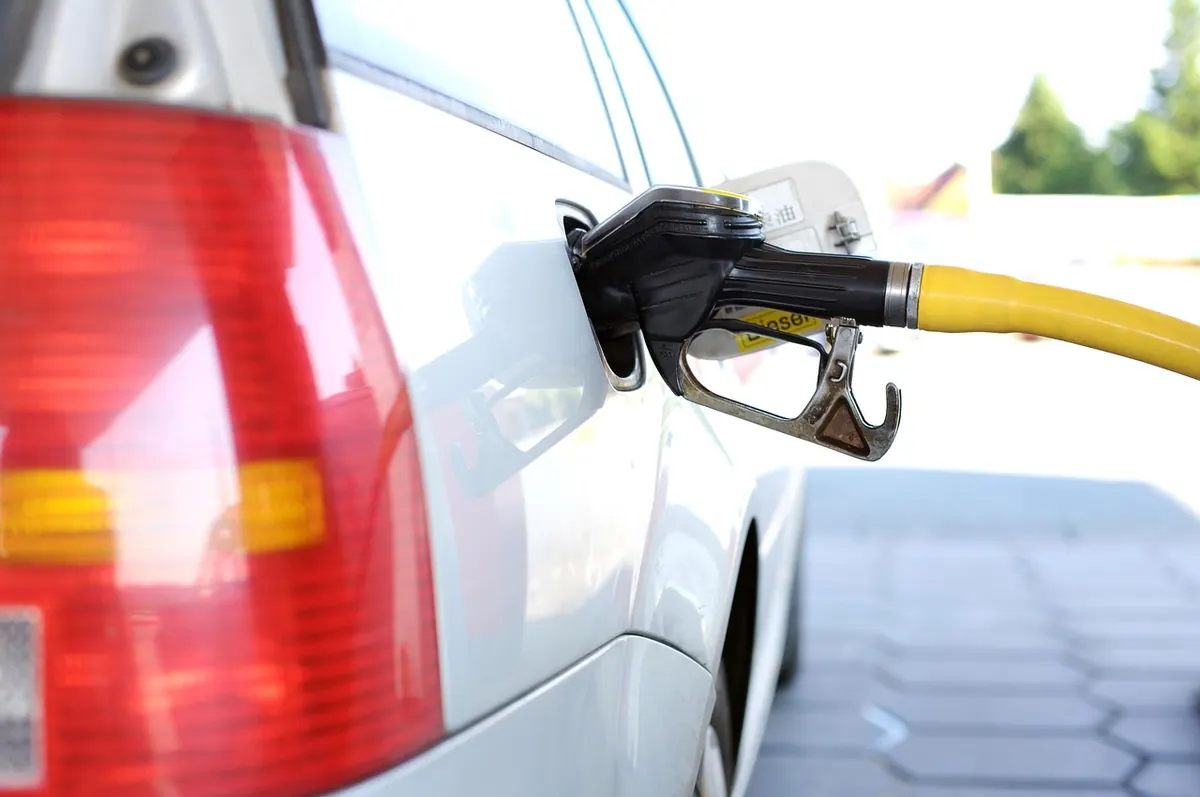
Photo: andreas160578 / Pixabay